
Table of Contents
ToggleUnderstanding Concrete Cleaning: Importance and Benefits
Concrete surfaces, whether in residential settings or commercial spaces, often face the relentless elements of nature that contribute to unsightly stains, grime, and deterioration. Regular concrete cleaning plays a pivotal role in maintaining the aesthetic appeal and structural integrity of these surfaces. Professionals like Full Pressure Powerwash offer concrete cleaning services that not only enhance visual clarity but also prolong the lifespan of the material. In this article, we will delve into the significance of concrete cleaning, the benefits it brings, and the best practices for effectively restoring your surfaces to their original glory.
What is Concrete Cleaning?
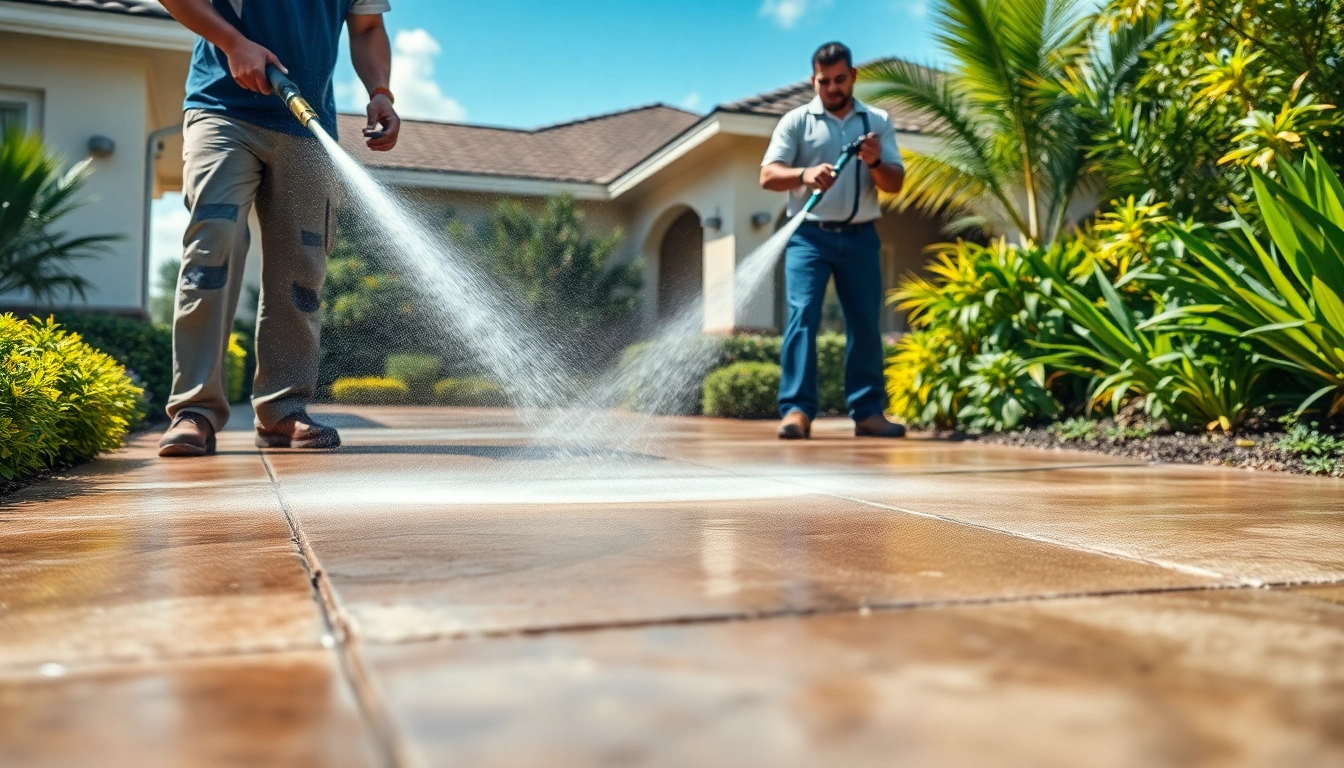
Concrete cleaning involves the removal of dirt, stains, algae, and other contaminants from concrete surfaces using specialized equipment and techniques. This process can include both high-pressure washing and the application of eco-friendly cleaning agents. Depending on the level of dirt and the specific types of stains present, various methods can be implemented to achieve optimal results.
Why Regular Concrete Cleaning is Essential
- Enhances Aesthetic Appeal: Clean concrete presents a welcome sight for both homeowners and visitors, thereby improving the overall curb appeal.
- Prevents Damage: Regular cleaning helps prevent the accumulation of mold and mildew, which can lead to structural damage over time.
- Increases Property Value: A well-maintained exterior directly impacts your property’s market value, making it more attractive to potential buyers or tenants.
- Promotes Safety: Keeping concrete surfaces clean minimizes risks of slips and falls caused by algae or oil stains.
Environmental Benefits of Concrete Cleaning
Concrete cleaning isn’t just beneficial for aesthetics. It also has significant environmental advantages. By using eco-safe cleaning agents, contractors can effectively remove harmful contaminants without harming surrounding vegetation or wildlife. Furthermore, cleaner surfaces can better absorb rainwater, reducing runoff and promoting water conservation in local ecosystems.
Common Challenges in Concrete Cleaning
Identifying Stains and Contaminants on Concrete
Understanding the nature of the stains present on concrete surfaces is crucial. Common contaminants include:
- Oil and Grease: Often found in driveways or parking lots, they can be particularly challenging to remove without appropriate techniques.
- Mold and Mildew: These growths thrive in damp conditions and can significantly affect the surface’s appearance and health.
- Rust Stains: Often from metal objects left on concrete, rust requires specific treatment methods to remove.
- Dirt and Grime: Regular dirt buildup can lead to more serious staining if not addressed.
Understanding Equipment and Techniques Used
The effectiveness of concrete cleaning hinges on the right equipment and methodologies. Professionals typically utilize:
- Pressure Washers: High-pressure cleaning equipment is effective for removing stubborn stains.
- Soft Wash Systems: For delicate surfaces or materials, soft washing can prevent damage while still cleaning effectively.
- Specialized Chemicals: Different stains require specific cleaning solutions, such as degreasers for oil and bleach for mold.
Debunking Myths about Concrete Cleaning Safety
Many homeowners may hesitate to invest in concrete cleaning due to misconceptions about its safety and efficacy. Here, we clarify some common myths:
- Myth 1: Pressure washing damages concrete. Truth: When conducted by professionals, pressure washing is safe and effective.
- Myth 2: All cleaning products are harmful. Truth: Eco-friendly options are available and can be just as effective as traditional chemicals.
- Myth 3: Cleaning is unnecessary for new concrete. Truth: New concrete can still accumulate contaminants and benefit from cleaning.
Best Practices for Effective Concrete Cleaning
Choosing the Right Cleaning Solutions
Selecting the correct cleaning solution is vital to achieving effective results. Look for biodegradable and environmentally friendly options that can adequately remove stains without damaging the concrete or surrounding flora.
Step-by-Step Concrete Cleaning Process
- Assessment: Evaluate the type of stains and the condition of the concrete surface.
- Preparation: Remove loose debris and cover any nearby plants and furnishings.
- Application of Chemicals: If necessary, apply a pre-treatment solution to penetrate and loosen severe stains.
- Pressure Washing: Use the appropriate pressure settings to clean the surface thoroughly.
- Post-Cleaning Treatment: Apply a sealant if required to enhance protection against future staining.
Preventive Measures for Long-Lasting Clean Surfaces
Once the concrete is cleaned, maintaining it is crucial for longevity. Here are some tips:
- Regularly sweep and clear debris to prevent buildup.
- Seal concrete to protect against stains and weathering.
- Address spills immediately to prevent deep staining.
- Consider routine professional cleanings to maintain appearance and health.
Case Studies: Transformative Concrete Cleaning Results
Residential Projects: Homeowners’ Testimonials
Many homeowners have experienced transformative results through professional concrete cleaning. For instance, one Kissimmee resident reported that their driveway, once riddled with oil stains and grime, looked brand new after a thorough cleaning.
Commercial Success Stories: Enhancing Business Appeal
Local businesses have reported increased foot traffic and customer satisfaction after investing in concrete cleaning. After a complete storefront cleaning, one plaza saw a 20% increase in customer visits, demonstrating the direct correlation between cleanliness and business appeal.
Long-Term Impact of Professional Cleaning Services
Investing in professional concrete cleaning services brings long-term benefits. Over time, regular maintenance can reduce the need for expensive repairs, prolong the lifespan of concrete surfaces, and contribute to better environmental practices.
The Future of Concrete Cleaning Techniques: Trends for 2025
Innovations in Sustainable Cleaning Products
The concrete cleaning industry is witnessing a shift towards more sustainable practices. Innovations in biodegradable cleaning agents that effectively combat stains without harming the environment are rapidly emerging.
Adoption of Advanced Cleaning Technologies
Technology is playing a pivotal role in enhancing cleaning efficiency. Equipment incorporating IoT (Internet of Things) capabilities allows for real-time monitoring and optimized cleaning schedules tailored to the needs of specific surfaces.
Predictions for the Concrete Cleaning Industry
As awareness of environmental issues grows, the concrete cleaning industry is expected to see an increase in demand for eco-friendly services. This evolution will likely lead to more stringent regulations regarding cleaning agents, pushing companies towards greener alternatives.