
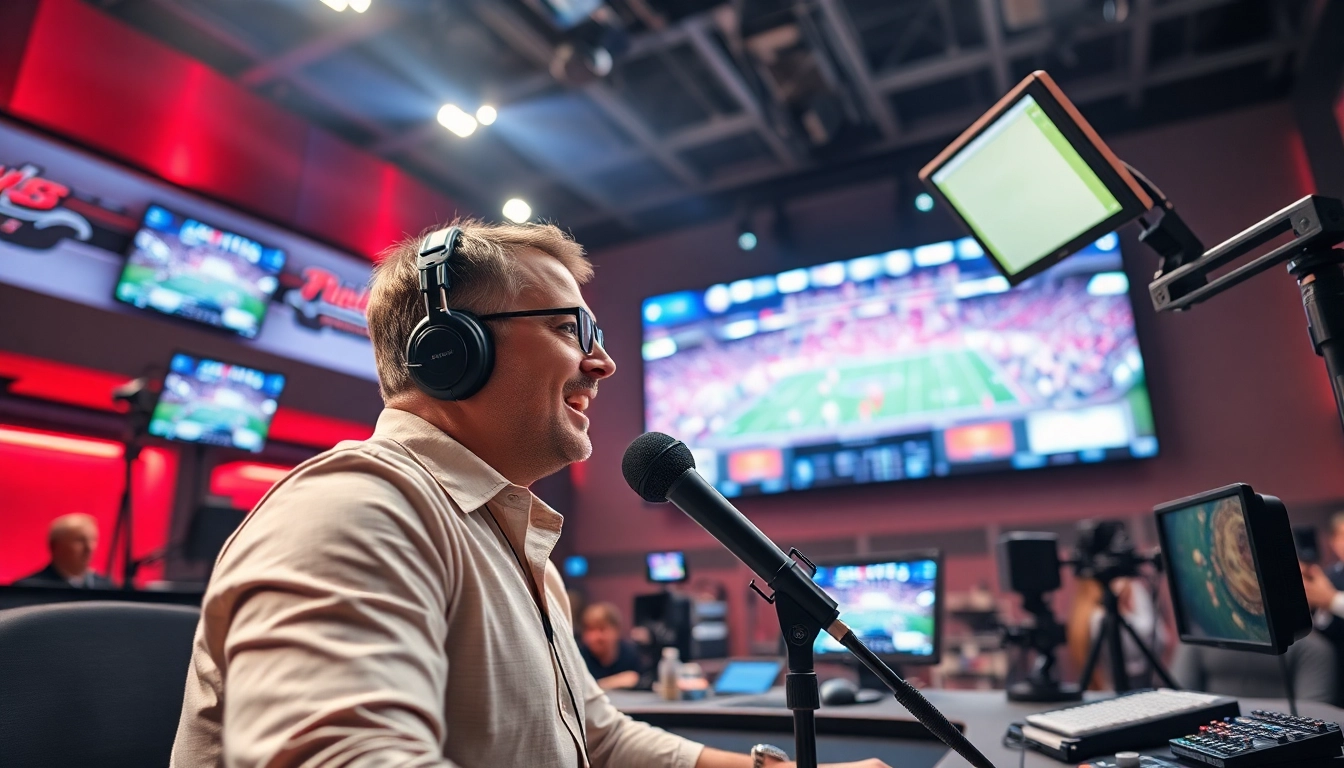
Understanding Sports Broadcasting
1. What is Sports Broadcasting?
Sports Broadcasting encompasses the live transmission of sporting events through various media, including television, radio, and internet platforms. This practice allows fans to engage with their favorite sports and teams from anywhere in the world. At its core, Sports Broadcasting elevates the excitement of live sports while contributing significantly to the economic landscape of the sports industry. The advancements in technology have played a pivotal role, allowing unprecedented access to games, commentary, and analyses. As a starting point for many in the industry, understanding the fundamentals of Sports Broadcasting is essential for anyone looking to engage in this field. To explore more about Sports Broadcasting, we dive into its historical context, the roles that structure this sector, and its ongoing evolution.
2. Historical Evolution of Sports Broadcasting
The origins of Sports Broadcasting can be traced back to radio broadcasts in the early 20th century. The first live broadcast of a sports event was a boxing match in 1921, introducing audiences to a new way of experiencing live sports. As technology progressed throughout the decades, television quickly became the dominant medium for Sports Broadcasting. The 1950s marked a significant turning point with the introduction of color television, which enhanced the viewing experience for fans at home. Major sporting events such as the Super Bowl and the Olympics saw exponential growth in viewership due to these technological advances.
By the turn of the 21st century, the internet revolutionized Sports Broadcasting yet again. Streaming services began to emerge, enabling fans to watch events on-demand. This accessibility led to a surge in popularity for niche sports, which previously lacked mainstream exposure. The rise of social media platforms has further transformed the landscape, changing how audiences consume sports content and interact with broadcasters and athletes.
3. Key Roles in Sports Broadcasting
Understanding the key roles within Sports Broadcasting is critical for grasping how this industry operates. Broadcasters, producers, and commentators are essential players, each contributing to the overall viewing experience. Broadcasters organize the logistics of the event, ensuring proper communication between the venue and the studio. Producers are responsible for creating the program content, from the pre-show preparations to the post-game analyses. Commentators provide live play-by-play coverage, bringing the game to life for viewers with engaging narratives, statistics, and insights.
Additionally, technical staff, including camera operators, sound engineers, and graphics designers, work behind the scenes to ensure high-quality transmission. These team members are crucial for delivering immersive experiences that captivate audiences. Finally, audience engagement specialists work to connect Sports Broadcasting with fans through social media and interactive platforms, expanding the reach and impact of broadcast content.
Technical Aspects of Sports Broadcasting
1. Equipment Essentials for Sports Broadcasting
The technical infrastructure of Sports Broadcasting is fundamental to the delivery of high-quality content. Essential equipment typically includes cameras, microphones, mixing boards, and transmission devices. High-definition cameras capture the action from multiple angles, while drones and handheld gimbals provide dynamic shots that enhance storytelling.
Audio quality is equally important; selecting high-quality microphones ensures that commentators and players can be heard clearly. Additionally, using audio mixing boards allows technical operators to balance sound levels effectively during a live broadcast. Transmission equipment, including satellite dishes and streaming servers, is also vital in sending the final feed to viewers around the world.
2. Live Streaming Technologies and Platforms
Live streaming has revolutionized Sports Broadcasting, offering a flexible and accessible means of delivering content. Platforms such as YouTube Live, Twitch, and specialized sports streaming services enable broadcasters to reach global audiences instantly. These platforms can accommodate a variety of sports, from major leagues to local high school games, democratizing access to live sports content.
Adaptive bitrate streaming technology allows for optimal viewing experiences, adjusting video quality based on viewers' internet connections. This ensures that audiences can watch in real-time without significant buffering, which is crucial during high-stakes games. Furthermore, integration with mobile apps enables fans to stream live events on their smartphones, increasing engagement and creating new revenue opportunities through subscriptions and advertisements.
3. Audio and Visual Elements in Sports Broadcasting
High-quality audio and visual elements are key to effective Sports Broadcasting. Stunning visuals help convey the emotion and intensity of sporting events, while crisp audio captures the crowd's excitement and the finer details of the game. Advanced graphics technologies are now used to overlay real-time statistics, player bios, and game progressions on screen, enriching the viewing experience.
The use of replays and augmented graphics has also become commonplace, allowing viewers to analyze critical moments from various angles. In many cases, these visual aids not only enhance the enjoyment of the broadcast but also provide deeper insights into the game for analysts and commentators.
Content Creation in Sports Broadcasting
1. Crafting Engaging Commentary
Creating engaging commentary is vital for bringing Sports Broadcasting to life. Great commentators are adept storytellers, capable of captivating audiences with dynamic narratives that reflect the game's ebb and flow. They must balance providing essential information, including player statistics and strategies, with conveying the emotional highs and lows of the contest.
Active listening and spontaneity are also key attributes of effective sports commentators. The ability to react in real-time to unexpected events, such as game-changing plays or injuries, adds authenticity to the broadcast. Preparation is essential, however; successful commentators dedicate significant time to research both teams and individual athletes, ensuring they can provide context during games.
2. Utilizing Social Media for Sports Broadcasting
Social media platforms serve as powerful tools in the realm of Sports Broadcasting. Broadcasters utilize Twitter, Instagram, and Facebook to share live updates, highlights, and behind-the-scenes content that engages fans in real time. Moreover, interaction with audiences fosters a sense of community and allows broadcasters to gauge viewer sentiment, which can inform future content strategies.
Live social media interaction extends to platforms like TikTok, where short clips and real-time reactions serve as supplementary content to live broadcasts. This holistic approach to audience engagement not only builds brand loyalty but also broadens the reach of Sports Broadcasting to younger demographics that predominantly consume content via social media channels.
3. Innovative Storytelling Techniques
Innovative storytelling is a hallmark of successful Sports Broadcasting. Using narrative techniques that blend statistics, player history, and real-time emotions makes broadcasts more compelling. The seamless integration of pre-recorded segments or profiles on key players provides richer context, drawing audiences into the sport's human element.
Furthermore, employing different formats, such as podcast-like discussions during halftime or post-game shows, allows for deeper dives into the analysis, fostering viewer investment in the content. Utilization of fan-generated content also achieves innovative storytelling, as broadcasters can feature audience reactions, making viewers feel like part of the experience.
Legal and Ethical Considerations in Sports Broadcasting
1. Copyright and Licensing Issues
Copyright and licensing are crucial components of Sports Broadcasting. Broadcasters must secure rights to air games and related content to avoid legal ramifications. This often involves negotiating with leagues, teams, and event organizers to obtain broadcasting licenses that define specific rights, limitations, and durations.
Additionally, copyright laws protect the creative works involved in Sports Broadcasting, including unique content, logos, and branding materials. Broadcasters must remain vigilant and adhere to these regulations to ensure compliance and avoid costly legal disputes.
2. Fair Use in Sports Broadcasting
Fair use is a legal doctrine that allows the limited use of copyrighted material without permission under certain conditions. In Sports Broadcasting, this could include commentary, criticism, and education. Understanding the nuances of fair use is essential, as it can vary based on context and the amount of material used.
Broadcasters should carefully consider how they use highlights and clips within their broadcasts, striving to add value through context and analysis. Legal teams often advise on best practices to navigate the complexities of fair use effectively and ensure compliance.
3. Ethical Standards in Sports Commentary
Ethics play a significant role in Sports Broadcasting, particularly in commentary. Commentators must provide fair and balanced assessments, avoiding favoritism or bias. This transparency fosters audience trust and encourages viewer engagement.
Furthermore, ethical standards extend beyond commentary to include issues such as respect for players’ privacy, responsible reporting on sensitive topics, and honoring the integrity of the game. Broadcasters should develop comprehensive ethical guidelines and continuous training to navigate these complexities while keeping audiences informed and engaged.
Future Trends in Sports Broadcasting
1. The Rise of Virtual Reality in Sports Broadcasting
Virtual reality (VR) is poised to transform Sports Broadcasting by offering immersive experiences that allow fans to feel as though they are part of the action. By donning VR headsets, viewers can watch games from various perspectives, whether from the sideline or the stands. This level of engagement could redefine fan experiences, blurring the lines between live and virtual sporting events.
Furthermore, VR can also enhance training for commentators and sports analysts, allowing them to practice and develop their skills in a simulated environment, ultimately improving the quality of broadcasts.
2. Data Analytics and Performance Metrics
The integration of data analytics into Sports Broadcasting is accelerating. Broadcasters can leverage performance metrics to provide deeper insights, enhancing the viewing experience. Statistics such as player efficiency ratings or win probabilities are increasingly used on-screen to inform viewers during matches.
Advanced analytics can also contribute to pre-game analyses and post-game breakdowns, enabling commentators to offer data-driven insights that resonate with viewers. The rise of fantasy sports has further fueled interest in performance metrics, shaping how broadcasts present player data.
3. Predictions for the Next Decade in Sports Broadcasting
As technology continues to evolve, Sports Broadcasting is destined for significant changes in the next decade. We can anticipate greater interactivity through augmented reality and AI-driven personalization, giving fans tailored experiences based on their preferences. Subscription models will likely dominate the landscape as audiences shift toward on-demand access.
Moreover, partnerships between traditional broadcasters and tech companies may emerge, leading to innovative content delivery methods. Staying ahead of these trends is crucial for stakeholders in the Sports Broadcasting industry to remain competitive and relevant.
Frequently Asked Questions
1. What is the main purpose of Sports Broadcasting?
The primary purpose of Sports Broadcasting is to deliver live sporting events to fans, ensuring they stay connected to their teams and players while providing entertainment and analysis.
2. How has technology impacted Sports Broadcasting?
Technology has revolutionized Sports Broadcasting by enhancing the quality of broadcasts, expanding audience reach through streaming, and introducing interactive elements, enriching viewer engagement.
3. What roles are essential in Sports Broadcasting?
Key roles include broadcasters, producers, commentators, technical staff, and audience engagement specialists, all contributing to the overall success of a broadcast.
4. What are the legal considerations in Sports Broadcasting?
Legal considerations include copyright and licensing issues, fair use of material, and maintaining ethical standards in commentary and reporting to ensure compliance and build audience trust.
5. What future trends should we watch in Sports Broadcasting?
Future trends include the rise of virtual reality, the integration of data analytics, and personalized experiences for viewers, reshaping how sports content is delivered and consumed.